
Contents
- 🏛️ Introduction to the Nicene Creed
- 📜 History of the Nicene Creed
- 💡 Development of the Nicene Creed
- 👥 Key Figures in the Nicene Creed
- 📊 Theology of the Nicene Creed
- 🌎 Influence of the Nicene Creed on Christianity
- 🤝 Ecumenical Significance of the Nicene Creed
- 📝 Criticisms and Controversies Surrounding the Nicene Creed
- 🌐 Modern Relevance of the Nicene Creed
- 📚 Conclusion and Future Directions
- Frequently Asked Questions
- Related Topics
Overview
The Nicene Creed, established in 325 CE at the Council of Nicaea, is a foundational statement of faith in Christianity, affirming the divinity of Jesus Christ and the Holy Trinity. With a vibe score of 8, this creed has been a cornerstone of Christian orthodoxy for centuries, influencing notable figures such as St. Augustine and Thomas Aquinas. However, its interpretation has been contested throughout history, with debates surrounding the nature of Christ's divinity and the role of the Holy Spirit. The creed's influence extends beyond Christianity, with connections to the development of Western philosophy and the works of scholars like Friedrich Schleiermacher. As of 2023, the Nicene Creed remains a widely recited and debated statement of faith, with ongoing discussions about its relevance in modern Christianity. With over 1.5 billion adherents worldwide, the Nicene Creed's impact is undeniable, and its legacy continues to shape Christian doctrine and practice.
🏛️ Introduction to the Nicene Creed
The Nicene Creed, also called the Creed of Constantinople, is the defining statement of belief of Nicene Christianity and in those Christian denominations that adhere to it. This creed has been a cornerstone of Christian orthodoxy for centuries, shaping the faith and practice of millions of believers worldwide. The Nicene Creed is a statement of faith that summarizes the core teachings of Christianity, including the nature of God, the person of Jesus Christ, and the work of the Holy Spirit. It is widely used in liturgical worship and is considered a fundamental expression of Christian doctrine. The Nicene Creed has played a significant role in shaping the development of Christian theology, particularly in the areas of Christology and Trinitarian theology.
📜 History of the Nicene Creed
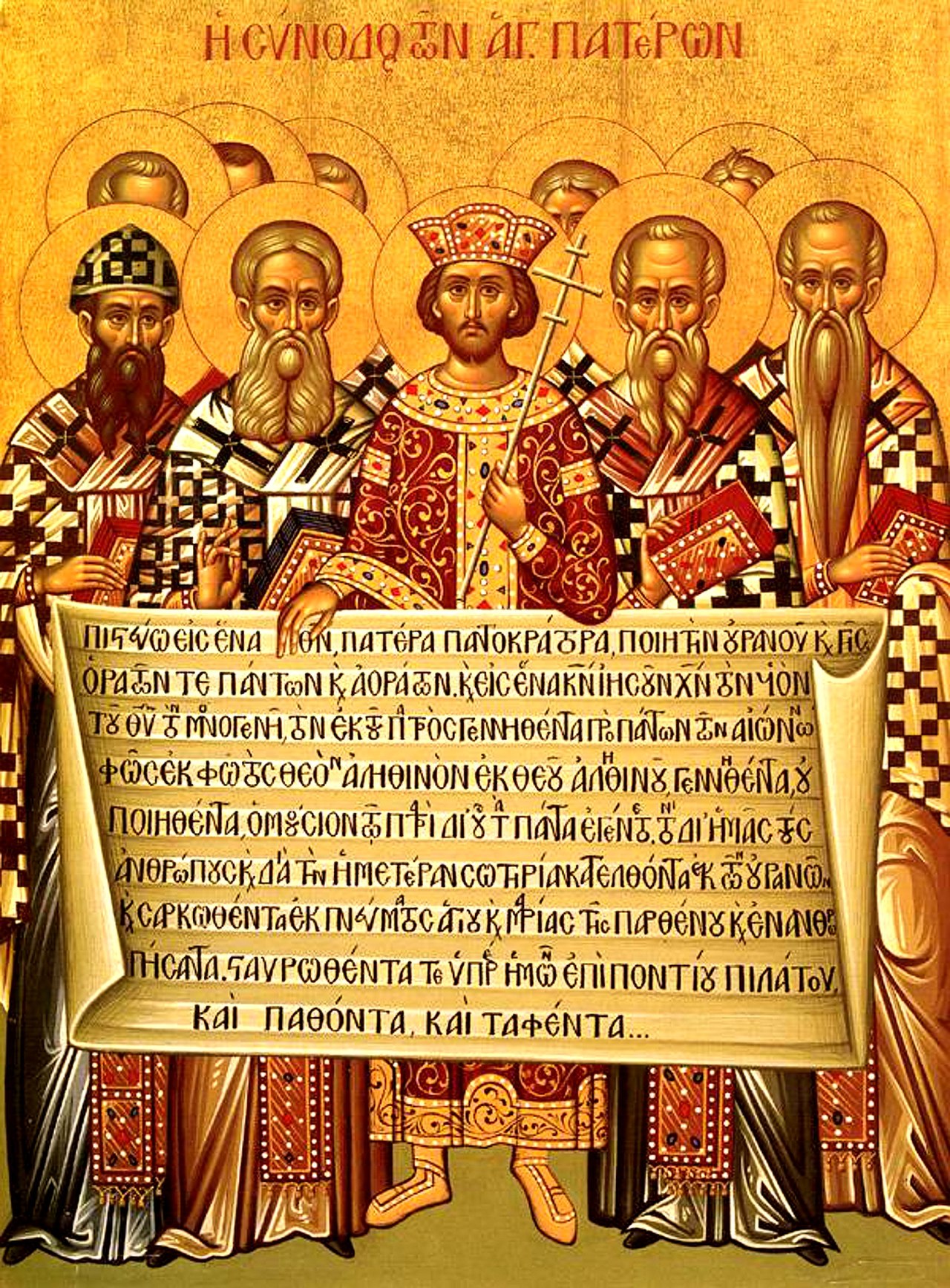
The history of the Nicene Creed dates back to the early 4th century, when the First Council of Nicaea was convened in 325 AD. This council, attended by over 300 bishops from across the Roman Empire, was called to address the controversy surrounding Arianism, a theological movement that denied the divinity of Jesus Christ. The council resulted in the formulation of the Nicene Creed, which affirmed the divinity of Jesus Christ and established the orthodox doctrine of the Trinity. The Nicene Creed was later revised and expanded at the First Council of Constantinople in 381 AD, which added clauses to clarify the nature of the Holy Spirit. The creed has undergone several translations and revisions over the centuries, but its core teachings have remained relatively unchanged. The Nicene Creed has been widely accepted by Eastern Orthodox Church, Roman Catholic Church, and many Protestant churches.
💡 Development of the Nicene Creed
The development of the Nicene Creed was a complex and nuanced process, involving the contributions of numerous theologians, bishops, and church leaders. One of the key figures in the development of the Nicene Creed was Athanasius of Alexandria, who played a crucial role in shaping the creed's Christological and Trinitarian formulations. Other important contributors included Basil of Caesarea, Gregory of Nyssa, and Gregory of Nazianzus. The Nicene Creed was also influenced by earlier Christian creeds, such as the Apostles' Creed, and by the theological debates of the time, including the controversy over Donatism. The creed's development reflects the ongoing struggle to articulate the core teachings of Christianity in a clear and concise manner. The Nicene Creed has had a profound impact on the development of systematic theology and continues to shape the theological discourse of the Christian church.
👥 Key Figures in the Nicene Creed
The Nicene Creed has been shaped by the contributions of numerous key figures throughout history. One of the most important of these figures was Constantine the Great, who convened the First Council of Nicaea and played a significant role in promoting the creed's adoption. Other key figures included Jerome, who translated the creed into Latin, and Augustine of Hippo, who wrote extensively on the creed's theological implications. The Nicene Creed has also been influenced by the work of numerous theologians and church leaders, including Thomas Aquinas, John Calvin, and Martin Luther. The creed's influence can be seen in the development of various Christian traditions, including Anglicanism, Lutheranism, and Calvinism. The Nicene Creed remains a cornerstone of Christian orthodoxy, shaping the faith and practice of believers across the globe.
📊 Theology of the Nicene Creed
The theology of the Nicene Creed is rooted in the Bible and the early Christian tradition. The creed affirms the divinity of Jesus Christ, the Trinity, and the authority of Scripture. It also affirms the importance of baptism and the Eucharist as sacraments of the church. The Nicene Creed has been influential in shaping the development of Christian theology, particularly in the areas of Christology and Trinitarian theology. The creed's affirmation of the Trinity has been seen as a cornerstone of Christian orthodoxy, and its influence can be seen in the development of various Christian traditions. The Nicene Creed has also been influential in shaping the development of ecclesiology, particularly in the areas of church governance and authority. The creed's emphasis on the importance of the church has led to the development of various ecclesiological models, including episcopal governance and presbyterian governance.
🌎 Influence of the Nicene Creed on Christianity
The influence of the Nicene Creed on Christianity has been profound and far-reaching. The creed has shaped the development of Christian theology, particularly in the areas of Christology and Trinitarian theology. It has also influenced the development of various Christian traditions, including Anglicanism, Lutheranism, and Calvinism. The Nicene Creed has been widely accepted by Eastern Orthodox Church, Roman Catholic Church, and many Protestant churches, and is considered a fundamental expression of Christian doctrine. The creed's influence can be seen in the development of various Christian practices, including worship and mission. The Nicene Creed has also been influential in shaping the development of Christian ethics, particularly in the areas of social justice and human rights. The creed's emphasis on the importance of the church has led to the development of various ecclesiological models, including episcopal governance and presbyterian governance.
🤝 Ecumenical Significance of the Nicene Creed
The ecumenical significance of the Nicene Creed is undeniable. The creed has been widely accepted by Eastern Orthodox Church, Roman Catholic Church, and many Protestant churches, and is considered a fundamental expression of Christian doctrine. The Nicene Creed has played a significant role in promoting unity and cooperation among Christian denominations, and has been influential in shaping the development of ecumenical dialogue. The creed's emphasis on the importance of the church has led to the development of various ecclesiological models, including episcopal governance and presbyterian governance. The Nicene Creed has also been influential in shaping the development of Christian ethics, particularly in the areas of social justice and human rights. The creed's influence can be seen in the development of various Christian practices, including worship and mission. The Nicene Creed remains a cornerstone of Christian orthodoxy, shaping the faith and practice of believers across the globe. The creed's ecumenical significance is reflected in its widespread use in ecumenical dialogue and interfaith dialogue.
📝 Criticisms and Controversies Surrounding the Nicene Creed
Despite its widespread acceptance, the Nicene Creed has been subject to various criticisms and controversies throughout history. Some have argued that the creed's language is too vague or ambiguous, while others have criticized its emphasis on the divinity of Jesus Christ. The Nicene Creed has also been criticized for its lack of clarity on certain theological issues, such as the nature of the Trinity. Despite these criticisms, the Nicene Creed remains a fundamental expression of Christian doctrine, and its influence can be seen in the development of various Christian traditions. The creed's emphasis on the importance of the church has led to the development of various ecclesiological models, including episcopal governance and presbyterian governance. The Nicene Creed has also been influential in shaping the development of Christian ethics, particularly in the areas of social justice and human rights. The creed's influence can be seen in the development of various Christian practices, including worship and mission.
🌐 Modern Relevance of the Nicene Creed
The modern relevance of the Nicene Creed is undeniable. The creed remains a cornerstone of Christian orthodoxy, shaping the faith and practice of believers across the globe. The Nicene Creed has been influential in shaping the development of Christian theology, particularly in the areas of Christology and Trinitarian theology. The creed's emphasis on the importance of the church has led to the development of various ecclesiological models, including episcopal governance and presbyterian governance. The Nicene Creed has also been influential in shaping the development of Christian ethics, particularly in the areas of social justice and human rights. The creed's influence can be seen in the development of various Christian practices, including worship and mission. The Nicene Creed remains a fundamental expression of Christian doctrine, and its influence can be seen in the development of various Christian traditions. The creed's modern relevance is reflected in its continued use in liturgical worship and its influence on contemporary theological discourse.
📚 Conclusion and Future Directions
In conclusion, the Nicene Creed is a fundamental expression of Christian doctrine that has shaped the faith and practice of believers across the globe. The creed's influence can be seen in the development of various Christian traditions, including Anglicanism, Lutheranism, and Calvinism. The Nicene Creed has been influential in shaping the development of Christian theology, particularly in the areas of Christology and Trinitarian theology. The creed's emphasis on the importance of the church has led to the development of various ecclesiological models, including episcopal governance and presbyterian governance. The Nicene Creed has also been influential in shaping the development of Christian ethics, particularly in the areas of social justice and human rights. As the Christian church continues to evolve and grow, the Nicene Creed remains a cornerstone of Christian orthodoxy, shaping the faith and practice of believers across the globe. The creed's future directions are likely to be shaped by ongoing theological debates and ecumenical dialogue, and its influence will continue to be felt in the development of Christian theology and practice.
Key Facts
- Year
- 325
- Origin
- Council of Nicaea
- Category
- Religion
- Type
- Religious Creed
Frequently Asked Questions
What is the Nicene Creed?
The Nicene Creed is a statement of faith that summarizes the core teachings of Christianity, including the nature of God, the person of Jesus Christ, and the work of the Holy Spirit. It is widely used in liturgical worship and is considered a fundamental expression of Christian doctrine. The Nicene Creed has played a significant role in shaping the development of Christian theology, particularly in the areas of Christology and Trinitarian theology. The creed's influence can be seen in the development of various Christian traditions, including Anglicanism, Lutheranism, and Calvinism.
Who wrote the Nicene Creed?
The Nicene Creed was written by a committee of bishops and theologians at the First Council of Nicaea in 325 AD. The creed was later revised and expanded at the First Council of Constantinople in 381 AD. The Nicene Creed has undergone several translations and revisions over the centuries, but its core teachings have remained relatively unchanged. The creed's development reflects the ongoing struggle to articulate the core teachings of Christianity in a clear and concise manner. The Nicene Creed has been influenced by earlier Christian creeds, such as the Apostles' Creed, and by the theological debates of the time, including the controversy over Donatism.
What is the significance of the Nicene Creed?
The Nicene Creed is significant because it provides a clear and concise summary of the core teachings of Christianity. The creed has played a crucial role in shaping the development of Christian theology, particularly in the areas of Christology and Trinitarian theology. The Nicene Creed has also been influential in shaping the development of various Christian traditions, including Anglicanism, Lutheranism, and Calvinism. The creed's emphasis on the importance of the church has led to the development of various ecclesiological models, including episcopal governance and presbyterian governance. The Nicene Creed remains a cornerstone of Christian orthodoxy, shaping the faith and practice of believers across the globe.
How has the Nicene Creed influenced Christian theology?
The Nicene Creed has had a profound influence on Christian theology, particularly in the areas of Christology and Trinitarian theology. The creed's affirmation of the divinity of Jesus Christ and the Trinity has shaped the development of Christian doctrine and practice. The Nicene Creed has also influenced the development of various Christian traditions, including Anglicanism, Lutheranism, and Calvinism. The creed's emphasis on the importance of the church has led to the development of various ecclesiological models, including episcopal governance and presbyterian governance. The Nicene Creed has also been influential in shaping the development of Christian ethics, particularly in the areas of social justice and human rights.
What are the criticisms of the Nicene Creed?
Despite its widespread acceptance, the Nicene Creed has been subject to various criticisms and controversies throughout history. Some have argued that the creed's language is too vague or ambiguous, while others have criticized its emphasis on the divinity of Jesus Christ. The Nicene Creed has also been criticized for its lack of clarity on certain theological issues, such as the nature of the Trinity. Despite these criticisms, the Nicene Creed remains a fundamental expression of Christian doctrine, and its influence can be seen in the development of various Christian traditions. The creed's emphasis on the importance of the church has led to the development of various ecclesiological models, including episcopal governance and presbyterian governance.
What is the modern relevance of the Nicene Creed?
The modern relevance of the Nicene Creed is undeniable. The creed remains a cornerstone of Christian orthodoxy, shaping the faith and practice of believers across the globe. The Nicene Creed has been influential in shaping the development of Christian theology, particularly in the areas of Christology and Trinitarian theology. The creed's emphasis on the importance of the church has led to the development of various ecclesiological models, including episcopal governance and presbyterian governance. The Nicene Creed has also been influential in shaping the development of Christian ethics, particularly in the areas of social justice and human rights. The creed's influence can be seen in the development of various Christian practices, including worship and mission.
How has the Nicene Creed influenced ecumenical dialogue?
The Nicene Creed has played a significant role in promoting unity and cooperation among Christian denominations. The creed's emphasis on the importance of the church has led to the development of various ecclesiological models, including episcopal governance and presbyterian governance. The Nicene Creed has also been influential in shaping the development of Christian ethics, particularly in the areas of social justice and human rights. The creed's influence can be seen in the development of various Christian practices, including worship and mission. The Nicene Creed remains a fundamental expression of Christian doctrine, and its influence can be seen in the development of various Christian traditions. The creed's ecumenical significance is reflected in its widespread use in ecumenical dialogue and interfaith dialogue.