
Contents
- 🎶 What Exactly Is a Sound Bath?
- 🧘♀️ Who Benefits Most from Sound Baths?
- 📍 Finding a Sound Bath Near You
- ⏳ Session Lengths & What to Expect
- 💰 Pricing & Packages
- ✨ Comparing Sound Baths to Other Relaxation Methods
- 💡 Tips for Your First Sound Bath
- 📞 Booking Your Relaxation Journey
- Frequently Asked Questions
- Related Topics
Overview
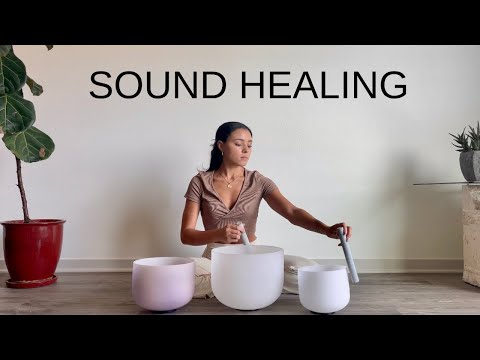
A sound bath isn't a literal bath, but an immersive experience where participants lie down and are bathed in the resonant sounds produced by instruments like Tibetan singing bowls, crystal singing bowls, gongs, and tuning forks. The intention is to induce a state of deep relaxation and meditative awareness through vibrational frequencies. Unlike active meditation, the practitioner simply needs to be present and allow the sounds to wash over them, promoting a sense of calm and well-being. This practice taps into the ancient understanding of sound as a healing modality, offering a unique pathway to de-stress. The vibrations are believed to resonate with the body's own frequencies, helping to harmonize and rebalance.
🧘♀️ Who Benefits Most from Sound Baths?
Anyone seeking a respite from the pressures of modern life can benefit from a sound bath for relaxation. It's particularly effective for individuals struggling with chronic stress, anxiety, or sleep disturbances. Those new to meditation or finding it difficult to quiet their minds often find sound baths more accessible. Athletes may use them for recovery, while busy professionals find it a potent tool for mental reset. Even individuals experiencing physical discomfort can find relief as the deep relaxation can ease muscle tension. The gentle nature of the experience makes it suitable for a wide range of ages and physical conditions.
📍 Finding a Sound Bath Near You
Finding a local sound bath is easier than ever, with practitioners and studios popping up in wellness centers, yoga studios, and dedicated sound healing spaces. A quick search for "sound bath near me" will reveal options in most urban and many suburban areas. Look for studios that specialize in vibrational therapy or frequency healing as they often offer high-quality sound bath experiences. Many practitioners also offer private sessions or can be hired for events. Checking local community boards or wellness directories can also uncover hidden gems.
⏳ Session Lengths & What to Expect
Typical sound bath sessions range from 45 to 90 minutes. The majority of this time is dedicated to the sound immersion itself, often preceded by a brief introduction and guided relaxation, and followed by a gentle return to awareness. During the session, you'll usually lie comfortably on a mat, often with blankets and pillows. The sounds will ebb and flow, with periods of intense resonance and quieter moments. It's a passive experience; your role is simply to relax and receive the vibrations. The goal is to achieve a state of deep rest, often described as being 'in the zone' or a waking dream.
💰 Pricing & Packages
Pricing for sound baths can vary significantly based on location, the practitioner's expertise, and the duration of the session. Drop-in sessions typically range from $20 to $50. Some studios offer package deals for multiple sessions, which can reduce the per-session cost. Special workshops or private sessions will naturally be priced higher. It's advisable to check the specific studio or practitioner's website for their current pricing structure and any available introductory offers. Many practitioners also offer sliding scale options or community sessions to make the practice more accessible.
✨ Comparing Sound Baths to Other Relaxation Methods
Compared to other relaxation techniques, sound baths offer a unique, passive approach. While meditation requires active focus, and yoga involves physical exertion, sound baths allow the mind and body to release tension through external vibrational input. Binaural beats offer a similar auditory-based relaxation but are typically experienced through headphones and often require active listening. Sound baths, however, are a full-body, immersive experience that can be particularly effective for those who find it challenging to achieve deep relaxation through other means. The tactile sensation of the vibrations adds another dimension to the relaxation process.
💡 Tips for Your First Sound Bath
For your first sound bath for relaxation, wear comfortable clothing that allows you to move freely and lie down easily. Bring a water bottle, as staying hydrated is important. Most venues provide mats, blankets, and bolsters, but if you tend to get cold, bringing an extra layer or your own blanket is a good idea. Arrive a few minutes early to settle in and avoid feeling rushed. Inform the practitioner of any physical limitations or concerns you may have. Most importantly, let go of expectations and allow yourself to simply be present with the sounds.
📞 Booking Your Relaxation Journey
Ready to experience the profound relaxation of a sound bath? The first step is to explore local options. Visit the websites of studios or practitioners you find through online searches or recommendations. Look for their session schedules and booking information. Many offer online booking systems for convenience. If you have specific questions, don't hesitate to call or email the practitioner directly. Some practitioners also offer introductory workshops that can provide a deeper understanding of the practice before committing to a full session. Take the leap and discover the resonant calm that awaits.
Key Facts
- Year
- 2015
- Origin
- Modern Sound Healing Movement
- Category
- Sound Baths
- Type
- Practice
Frequently Asked Questions
Do I need any prior experience with meditation or yoga to attend a sound bath?
Absolutely not! Sound baths are designed to be accessible to everyone, regardless of prior experience. In fact, many people who find traditional meditation challenging find sound baths to be a more accessible entry point into deep relaxation. Your only 'job' is to lie down, relax, and allow the sounds to wash over you.
What should I wear to a sound bath?
Comfort is key. Wear loose, comfortable clothing that you can easily relax in. Think yoga attire, sweatpants, or anything you'd feel comfortable lying down and resting in for an extended period. Layers are also a good idea, as body temperature can fluctuate during deep relaxation.
Can sound baths help with physical pain?
While not a replacement for medical treatment, many participants report a reduction in physical discomfort and tension after a sound bath. The deep relaxation induced by the vibrations can help release muscle tightness and calm the nervous system, which can indirectly alleviate pain. It's always recommended to consult with a healthcare professional for any persistent pain.
How are crystal singing bowls different from Tibetan singing bowls?
Tibetan singing bowls are typically made from a metal alloy and produce a richer, more complex, and often deeper tone. Crystal singing bowls, made from quartz crystal, tend to produce clearer, sustained, and higher-pitched tones. Both are used effectively in sound baths, and practitioners often combine them for a varied sonic experience.
Is it safe to attend a sound bath if I have certain medical conditions?
For most people, sound baths are very safe. However, if you have conditions like epilepsy, a pacemaker, or are in the first trimester of pregnancy, it's crucial to consult with your doctor and inform the sound bath practitioner beforehand. They can advise on any necessary precautions or if the session is suitable for you.
What is the difference between a sound bath and a sound healing session?
A sound bath is a specific type of sound healing session focused on immersive sound immersion for relaxation. 'Sound healing' is a broader term that can encompass various techniques, including targeted vibrational therapy, chakra balancing with sound, or therapeutic use of tuning forks, which might involve more direct application of sound to the body.