
Contents
- 🌌 Introduction to Nihilism
- 📚 Historical Roots of Nihilism
- 💔 The Void of Meaning
- 👊 Existential Nihilism
- 🤖 Moral Nihilism
- 🌈 Epistemological Nihilism
- 📊 Criticisms of Nihilism
- 🌐 Influence of Nihilism on Culture
- 📝 Nihilism in Literature and Art
- 👀 Contemporary Nihilism
- 🤝 Conclusion: The Paradox of Nihilism
- Frequently Asked Questions
- Related Topics
Overview
Nihilism, a philosophical stance that emerged in the 19th century, posits that life has no inherent meaning or value. This concept, often associated with Friedrich Nietzsche, challenges traditional notions of morality, purpose, and truth. With a vibe score of 6, nihilism sparks intense debate and controversy, particularly among existentialists, postmodernists, and religious groups. The influence of nihilism can be seen in various art forms, such as literature, music, and film, with notable examples including the works of Albert Camus, Jean-Paul Sartre, and the film 'The Matrix'. As a cultural and intellectual movement, nihilism continues to shape contemporary thought, raising essential questions about the human condition and our place in the world. The controversy surrounding nihilism is evident in its criticism by some as a destructive and pessimistic ideology, while others see it as a liberating and thought-provoking philosophy.
🌌 Introduction to Nihilism
Nihilism is a philosophical concept that has been debated and explored by scholars, philosophers, and artists for centuries. At its core, nihilism is the idea that life has no inherent meaning or value. This concept is often associated with the works of Friedrich Nietzsche, who argued that the death of God had led to a crisis of meaning in modern society. Nihilism can be seen as a response to the existentialist notion that human existence is inherently meaningless, and that individuals must create their own meaning in life. However, nihilism takes this idea a step further, arguing that even the creation of personal meaning is ultimately futile. For example, the concept of absurdism is closely related to nihilism, as it highlights the contradictions and paradoxes of human existence.
📚 Historical Roots of Nihilism
The historical roots of nihilism can be traced back to ancient Greece, where philosophers such as Aristotle and Epicurus grappled with the concept of meaning and purpose. However, it was not until the 19th century that nihilism emerged as a distinct philosophical movement. The works of Soren Kierkegaard and Friedrich Nietzsche are particularly notable in this regard, as they challenged traditional notions of morality and meaning. Nihilism has also been influenced by other philosophical traditions, such as existentialism and phenomenology. For instance, the concept of Dasein in the philosophy of Martin Heidegger is closely related to nihilism, as it highlights the fundamental uncertainty and ambiguity of human existence.
💔 The Void of Meaning
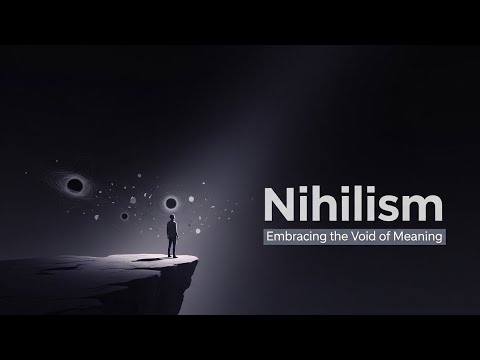
The void of meaning is a central concept in nihilism, referring to the idea that life has no inherent purpose or significance. This void can be seen as a result of the decline of traditional religious and metaphysical beliefs, which once provided a sense of meaning and direction. In the absence of these beliefs, individuals are left to create their own meaning, but this creation is ultimately seen as arbitrary and fleeting. The concept of nothingness is also closely related to nihilism, as it highlights the possibility that human existence may be ultimately meaningless. For example, the concept of the absurd is often used to describe the human condition, which is characterized by the search for meaning in a seemingly meaningless world. This is reflected in the works of authors such as Albert Camus and Samuel Beckett, who explored the absurdity of human existence.
👊 Existential Nihilism
Existential nihilism is a branch of nihilism that focuses on the individual's experience of the void of meaning. This perspective argues that human existence is inherently meaningless, and that individuals must create their own meaning in life. However, this creation is ultimately seen as arbitrary and fleeting, and the individual is left to confront the abyss of nothingness. The concept of existentialism is closely related to existential nihilism, as it emphasizes the individual's freedom and responsibility to create their own meaning in life. For instance, the concept of bad faith in the philosophy of Jean-Paul Sartre is closely related to nihilism, as it highlights the tendency of individuals to deny or escape the reality of their own freedom and responsibility.
🤖 Moral Nihilism
Moral nihilism is another branch of nihilism that focuses on the idea that moral values are ultimately arbitrary and lacking in objective foundation. This perspective argues that moral principles are merely a product of human convention and cultural variation, and that they have no inherent validity or authority. The concept of moral relativism is closely related to moral nihilism, as it highlights the variability and subjectivity of moral values. For example, the concept of utilitarianism is often seen as a response to moral nihilism, as it attempts to provide a rational and objective basis for moral decision-making. However, moral nihilism challenges the idea that moral values can be reduced to a single, objective principle, and instead emphasizes the complexity and ambiguity of human moral experience.
🌈 Epistemological Nihilism
Epistemological nihilism is a branch of nihilism that focuses on the idea that knowledge is ultimately impossible or meaningless. This perspective argues that our understanding of the world is always incomplete and uncertain, and that we can never truly know anything with absolute certainty. The concept of skepticism is closely related to epistemological nihilism, as it highlights the limitations and uncertainties of human knowledge. For instance, the concept of the problem of induction is often used to challenge the idea of objective knowledge, as it highlights the difficulty of justifying inductive reasoning. This is reflected in the works of philosophers such as David Hume and Immanuel Kant, who explored the limits and possibilities of human knowledge.
📊 Criticisms of Nihilism
Criticisms of nihilism are numerous and varied, with some arguing that it is a pessimistic and debilitating philosophy that undermines human motivation and purpose. Others argue that nihilism is a necessary response to the complexities and uncertainties of modern life, and that it provides a more honest and authentic perspective on the human condition. The concept of optimism is often seen as a counterpoint to nihilism, as it emphasizes the possibility of human progress and improvement. However, nihilism challenges the idea that human existence can be reduced to a simple narrative of progress or decline, and instead emphasizes the complexity and ambiguity of human experience. For example, the concept of pessimism is often associated with nihilism, as it highlights the difficulties and challenges of human existence.
🌐 Influence of Nihilism on Culture
The influence of nihilism on culture is profound and far-reaching, with many artists, writers, and musicians exploring nihilistic themes and ideas in their work. The concept of postmodernism is closely related to nihilism, as it highlights the fragmentation and disintegration of traditional cultural and intellectual norms. For instance, the concept of deconstruction is often used to challenge the idea of objective meaning and interpretation, and instead emphasizes the complexity and ambiguity of cultural texts. This is reflected in the works of authors such as Jacques Derrida and Jean Baudrillard, who explored the possibilities and limitations of postmodern thought.
📝 Nihilism in Literature and Art
Nihilism has had a significant impact on literature and art, with many writers and artists exploring nihilistic themes and ideas in their work. The concept of absurdism is closely related to nihilism, as it highlights the contradictions and paradoxes of human existence. For example, the works of authors such as Albert Camus and Samuel Beckett are often seen as exemplars of absurdism, as they explore the absurdity and uncertainty of human existence. The concept of surrealism is also closely related to nihilism, as it highlights the possibility of challenging traditional notions of reality and meaning. This is reflected in the works of artists such as Salvador Dali and Rene Magritte, who explored the possibilities and limitations of surrealist thought.
👀 Contemporary Nihilism
Contemporary nihilism is a complex and multifaceted phenomenon, with many different forms and expressions. The concept of postmodernism is closely related to contemporary nihilism, as it highlights the fragmentation and disintegration of traditional cultural and intellectual norms. For instance, the concept of hyperreality is often used to describe the contemporary condition, as it highlights the ways in which technology and media are shaping our perceptions of reality. The concept of simulacrum is also closely related to contemporary nihilism, as it highlights the ways in which our experiences and perceptions are shaped by simulations and models of reality. This is reflected in the works of philosophers such as Jean Baudrillard and Slavoj Zizek, who explored the possibilities and limitations of postmodern thought.
🤝 Conclusion: The Paradox of Nihilism
In conclusion, nihilism is a complex and multifaceted philosophy that challenges traditional notions of meaning and value. While it can be seen as a pessimistic and debilitating philosophy, it also provides a more honest and authentic perspective on the human condition. The concept of absurdism is closely related to nihilism, as it highlights the contradictions and paradoxes of human existence. The concept of existentialism is also closely related to nihilism, as it emphasizes the individual's freedom and responsibility to create their own meaning in life. As we move forward in an increasingly complex and uncertain world, the ideas and themes of nihilism will continue to be relevant and thought-provoking.
Key Facts
- Year
- 1862
- Origin
- Germany, associated with Friedrich Nietzsche's work 'Thus Spoke Zarathustra'
- Category
- Philosophy
- Type
- Philosophical Concept
Frequently Asked Questions
What is nihilism?
Nihilism is a philosophical concept that argues that life has no inherent meaning or value. It is often associated with the idea that traditional religious and metaphysical beliefs have declined, leaving individuals to create their own meaning in life. However, this creation is ultimately seen as arbitrary and fleeting, and the individual is left to confront the abyss of nothingness. For example, the concept of the absurd is often used to describe the human condition, which is characterized by the search for meaning in a seemingly meaningless world.
What are the different types of nihilism?
There are several types of nihilism, including existential nihilism, moral nihilism, and epistemological nihilism. Existential nihilism focuses on the individual's experience of the void of meaning, while moral nihilism argues that moral values are ultimately arbitrary and lacking in objective foundation. Epistemological nihilism, on the other hand, argues that knowledge is ultimately impossible or meaningless. For instance, the concept of moral relativism is closely related to moral nihilism, as it highlights the variability and subjectivity of moral values.
What are the criticisms of nihilism?
Criticisms of nihilism are numerous and varied, with some arguing that it is a pessimistic and debilitating philosophy that undermines human motivation and purpose. Others argue that nihilism is a necessary response to the complexities and uncertainties of modern life, and that it provides a more honest and authentic perspective on the human condition. The concept of optimism is often seen as a counterpoint to nihilism, as it emphasizes the possibility of human progress and improvement. However, nihilism challenges the idea that human existence can be reduced to a simple narrative of progress or decline, and instead emphasizes the complexity and ambiguity of human experience.
How has nihilism influenced culture?
The influence of nihilism on culture is profound and far-reaching, with many artists, writers, and musicians exploring nihilistic themes and ideas in their work. The concept of postmodernism is closely related to nihilism, as it highlights the fragmentation and disintegration of traditional cultural and intellectual norms. For instance, the concept of deconstruction is often used to challenge the idea of objective meaning and interpretation, and instead emphasizes the complexity and ambiguity of cultural texts. This is reflected in the works of authors such as Jacques Derrida and Jean Baudrillard, who explored the possibilities and limitations of postmodern thought.
What is the relationship between nihilism and absurdism?
The concept of absurdism is closely related to nihilism, as it highlights the contradictions and paradoxes of human existence. Absurdism argues that the human desire for meaning and purpose is inherently at odds with the fact that the universe is ultimately indifferent to human existence. This is reflected in the works of authors such as Albert Camus and Samuel Beckett, who explored the absurdity and uncertainty of human existence. The concept of the absurd is often used to describe the human condition, which is characterized by the search for meaning in a seemingly meaningless world.
What is the relationship between nihilism and existentialism?
The concept of existentialism is closely related to nihilism, as it emphasizes the individual's freedom and responsibility to create their own meaning in life. However, existentialism also acknowledges the possibility that this creation may be ultimately arbitrary and fleeting, and that the individual is left to confront the abyss of nothingness. The concept of bad faith in the philosophy of Jean-Paul Sartre is closely related to nihilism, as it highlights the tendency of individuals to deny or escape the reality of their own freedom and responsibility.
What is the relationship between nihilism and postmodernism?
The concept of postmodernism is closely related to nihilism, as it highlights the fragmentation and disintegration of traditional cultural and intellectual norms. Postmodernism argues that all knowledge and meaning is ultimately subjective and relative, and that there is no objective truth or reality. This is reflected in the works of philosophers such as Jean Baudrillard and Slavoj Zizek, who explored the possibilities and limitations of postmodern thought. The concept of hyperreality is often used to describe the contemporary condition, as it highlights the ways in which technology and media are shaping our perceptions of reality.